
Find a West Virginia Property Owner
Every search starts with the physical address. The West Virginia Property Viewer matches that address to parcels through SAMS E-911 data. Rural routes and post-office boxes will not match. If it fails, IAS Street Name helps. Select the county, and it identifies the owner in public property records rather than the person living at the address.
- Search the street address, city, and WV in the Property Viewer. If it has no match, try IAS Street Name with the county selected.
- Open a likely parcel and copy its full parcel ID, legal description, and owner name. Compare the physical address with the mailing address.
- Run the parcel or owner in IAS Property Search. Check both the “Current Owner” result and the “Property Owner” detail field.
- Use the county clerk's latest deed entry to confirm the transfer for that parcel. If an entity appears, search its exact name as a separate clue.
Address, owner, and parcel number open different doors. A town name or ZIP does not decide which county holds the deed, so keep the parcel ID and legal description with your notes to avoid mistaking a street-name match for identification.
West Virginia Address Search Keys
SAMS powers E-911 address matching in the Property Viewer, while IAS carries the assessor's owner and parcel fields. One tool may miss what the other finds. Rural routes, P.O. boxes, old road names, and unit numbers can all block a viewer match.
If a direct lookup stalls, try IAS Street Name. Narrow it by county or district. IAS also accepts a parcel ID, partial owner name, mailing address, legal description, or deed book and page. Because postal cities cross municipal lines, verify the county and parcel before trusting a match.
The viewer's owner search needs a county. It takes partial names, and "LASTNAME FIRSTNAME" narrows results. IAS adds filters for street, district, class, acreage, and appraisal, and when a name fails, test punctuation, business suffixes, trustee wording, and co-owner names.
West Virginia Owner Fields
IAS labels the result-table name "Current Owner" and the detail-card field "Property Owner," yet a result row may show one name even when the deed lists co-owners. The card separates physical and mailing addresses. Keep the name, parcel ID, and deed reference together. One address can carry separate cards. Surface and mineral interests may sit apart, so compare the legal description and the county deed to confirm the same land.
- Owner of record
- The owner name displayed in the assessor's land-book or parcel record.
- Grantee
- The person or entity receiving an interest in a recorded deed.
- Title evidence
- The deed and related recorded instruments; an assessment name alone is not a title search.
- Situs and mailing address
- Situs locates the parcel; the mailing address is where tax notices go.
When an address changes or names are similar, the Root Parcel ID, deed book and page, legal description, county and district, and sales history in IAS tell similar parcels apart. These identifiers anchor the parcel record.
West Virginia Ownership Sources
Each source answers a different question. The assessor links a name to a tax parcel, the county clerk records conveyances, GIS adds map context, and the Secretary of State describes a registered business. Compare the dates and roles before drawing a conclusion.
| Where the Name Appears | What It Adds | How Current It Is |
|---|---|---|
| IAS assessor record | Owner field, parcel ID, mailing and physical address, values, and sale references. | The state viewer updates with an annual assessment release; county corrections are local. |
| County clerk deed index | Grantor, grantee, recording reference, and the deed tied to the legal description. | County-specific portal coverage; check certified dates and the newest filing. |
| WV Property Viewer | Parcel geometry, GIS ID, owner name or names, and address for map context. | Published map data; lines and attributes may lag local updates. |
| Secretary of State business search | Entity name, agent, and officer information for a company owner. | Business filing context, not proof that the company holds a given parcel. |
The tax roll names an owner of record, not an occupant or entity representative. GIS is map context, not a deed index. One displayed owner does not rule out co-owners. The latest deed ties the grantee to the legal description. For a land-book question or correction, contact the local assessor; the West Virginia county assessor directory lists those offices. A statewide result never replaces the local parcel record.
Confirm a West Virginia Owner by Deed
County clerks record West Virginia deeds. Online coverage and certified dates vary by county. The legacy WV County Clerk Portal directs users to counties moving to RECORDhub. A guest index may be open even when images require an account or payment.
Pull IAS owner or parcel clues first. Then search for the newest deed. Match the grantee and legal description. A street address can be missing or outdated, and if online coverage stops early, ask the clerk about older books, counter access, and plain or certified copies.
W. Va. Code §39-2-2 governs the index. It addresses grantors and grantees, and a trustee, commissioner, or other officer may appear there, so search related party names if an entry is unclear. A written FOIA request can identify the county, parcel, record, date range, and copy format; it reaches existing records, not a new title analysis.
West Virginia LLC Owner Records
The owner on an IAS assessment record may be an LLC or corporation. Copy the exact name. Compare it with the Secretary of State Business Organization Search, which filters by organization, agent, officer, location, and status. That filing identifies a registered entity, not a parcel owner. Then return to the county deed index. Check whether the entity is grantee for the parcel's legal description, since a registered agent is a filing contact, not automatically the owner or occupant.
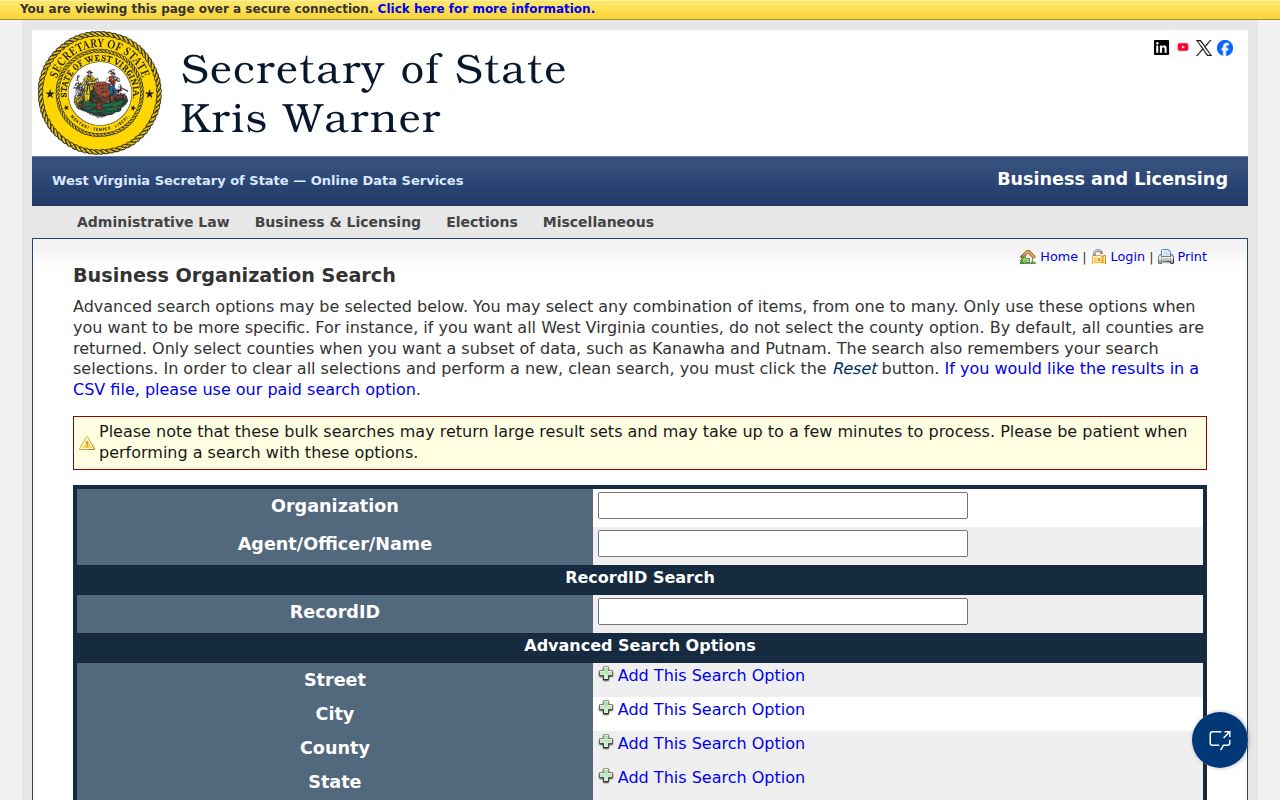
The entity result explains the company name you found on the tax roll. The deed connects that name to land. Agent address and parcel address are separate. If a company was renamed or transferred property, follow the deed wording and ask the clerk about the recorded instrument.
West Virginia Trust and Estate Owners
Trusts often show up in assessor fields under a shortened name. Search both the trust name and the trustee in the county clerk's index. Estates work the same way. A label like executor, administrator, or devisee can signal a fiduciary record. It can also point to a court file sitting behind the deed. The deed alone may not tell the whole story.
Life estates and remainder interests live in deed language. An assessment row rarely spells out every future interest. Compare the parcel number and the legal description. Check the book and page and the party names before drawing conclusions. An estate label by itself names no specific recipient.
A will, a fiduciary appointment, or a court order may explain why a representative appears in the transfer records. The county clerk or the relevant court holds the instrument tied to the parcel. Check that paper rather than guessing at family relationships from an owner of record label.
West Virginia Mailing and Situs Addresses
The situs address tells you where the parcel sits. The mailing address routes tax notices, and it may belong to an agent, a trust, a business, a P.O. box, or a substitute-address participant. Neither one proves residency. Older deeds often carry no modern street address at all, so the tax roll and the deed records can describe the same property in different terms.
The West Virginia Address Confidentiality Program gives eligible participants a substitute address and forwards their first-class mail. Never repost a protected address. Ask the records custodian about the protection process instead.
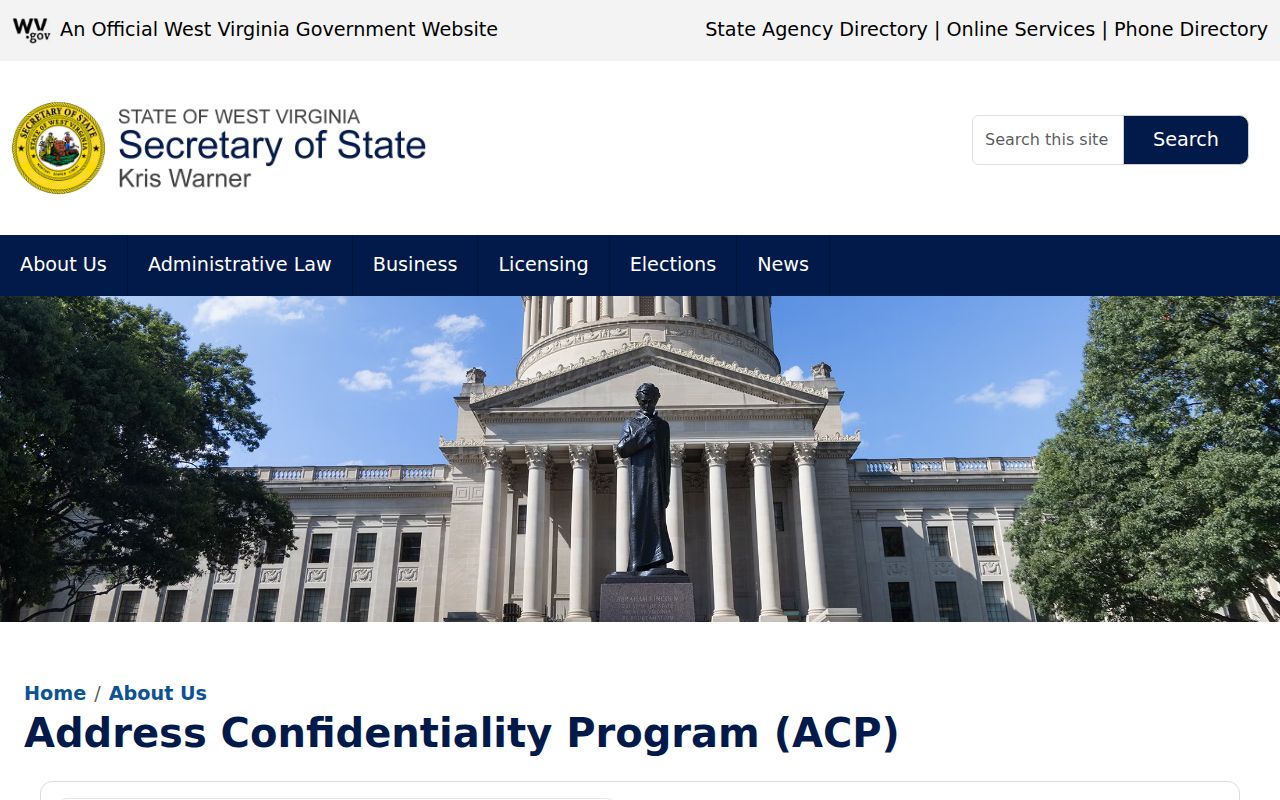
That substitute-address process is usually why a mailing field differs from the parcel's physical address. The Secretary of State certifies ACP participation for four years. Trained assistants handle the applications.
The program supplies a designated address and first-class mail forwarding, but it cannot scrub every historical deed or third-party copy. Leave any protected address out of shared notes. Ask a custodian or an advocate about the right next steps.
Limits of a West Virginia Owner Search
An assessment result is a lead, not a title opinion. It cannot establish occupancy, and a GIS outline is not a legal boundary. The deed does one job in a property search. The land-book entry and the recorded plat each do another. When sources disagree, compare their dates. Then ask the custodian to explain the record.
W. Va. Code chapter 29B guarantees public access. It shields protected categories, and the Address Confidentiality Program shields eligible participants. For annual owner fields, see the West Virginia current-owner record steps. For recorded instruments, see the West Virginia deed records process. Keep notes limited to the parcel facts you need. Never use property records to locate or pressure a person.
Use owner records with care. A roll name does not show who lives at a property. Do not use a lookup to locate a protected person, stalk, harass, or intimidate anyone.